“Time given to thought is the greatest time saver of all.” – Norman Cousins
When people ask what skills are important to be a leader many responses include empathy, confidence, having a clear vision, and effective communication. These are all necessary for leadership, and there is another skill that is just as crucial – critical thinking.
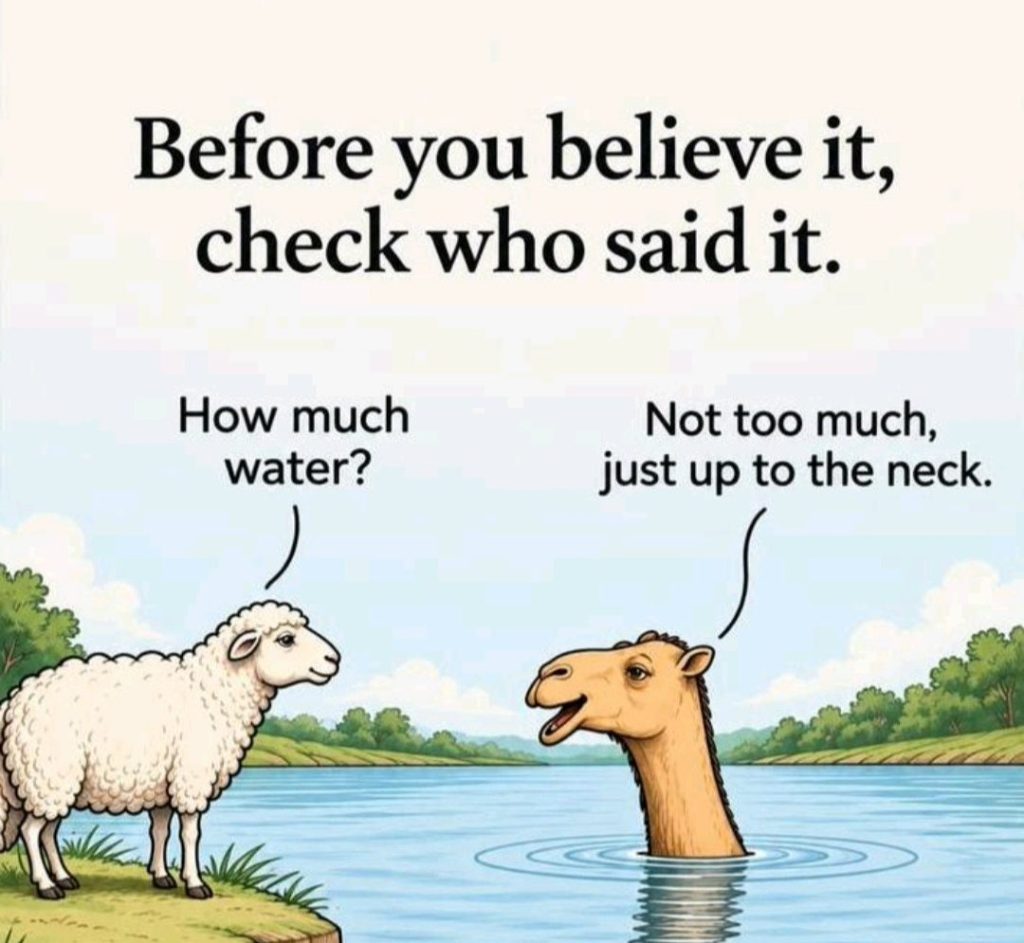
According to Merriam-Webster, critical thinking is “the act or practice of thinking critically (as by applying reason and questioning assumptions) in order to solve problems, evaluate information, discern biases, etc.” In the age of the internet, social media, and AI, it is very easy to form opinions based on what we see or what others tell us online and not look at all aspects before drawing conclusions or making key decisions. In 2023, Peter McIndoe tested this by creating a fake movement with the goal of convincing people that the government wiped out the population of birds and replaced them with drone versions to spy on the U.S. population. This experiment sparked discussions about conspiracy theories and how even a satirical representation can influence people instantly.
Critical thinking is necessary for leaders to make decisions with the right information and perspectives. It also helps ensure their teams are doing the same. This often means looking at the bigger picture, reviewing all perspectives, and asking key questions to better understand options. It involves strong business acumen and industry knowledge to draw comparisons and information that aligns with what you are seeking to do within your organization. It includes asking for insights from people you don’t always think to involve in a decision. Leaders can be tempted to get input from the people that they always get support or advice. The risk is they may be your “yes people,” always telling you what they think you want to hear and cause confirmation bias to steer you in the wrong direction.
As leaders in a fast-evolving world with innovation being key to staying ahead of the competition, critical thinking is the tool that will help you move in the right direction and do it in a way that becomes a normal part of your day-to-day activities. It’s something that doesn’t happen overnight. In an article by Mark D’Aquin, he shares how it aligns with a growth mindset, helping people learn from challenges and failure and making decisions that move them forward in their journeys of growth. I encourage you to read his piece, which includes how you can apply a growth mindset to McKinsey’s problem-solving process.
How can you develop or cultivate critical thinking skills? Much of it derives from experience. When you’re faced with a decision, ask questions of yourself and of others. Think of the perspectives you’ve received and how others are seeing the same situation you are in.
- Is the information you have to help make the decision valid?
- Are you basing the decision on your own opinions that may not have the data to back it up?
- What haven’t you already considered about the situation?
- What other information might help you make a more informed decision?
Agon Leadership shares that mentors are a great resource to stretch your thinking and guide you through critical thinking exercises. You can also consider peers or networking connections to challenge you. One exercise that Agon Leadership mentions in their article is the “Five Whys.” This is an approach I learned about in my recent Lean Certification course. To use this, ask yourself why you are looking at a particular decision or why something is the way that it is. From there, you continue to ask why for each answer until you have done so at least five times. What this does is reveal underlying factors and perspectives that weren’t as evident early on.
For me, my recent focus on critical thinking centers around the question “what problem is it that I’m trying to solve for?” In the work that I do, we are creating educational experiences for our key audience to help them better do business with us. If I do not know where they are struggling, we run the risk of creating resources that have no value and will never be accessed. At the same time, our audience will continue to have gaps in performance. As a result, I’m exploring ways to gather the right data to validate the need for training and education on specific topics. I’m considering different questions when I meet with subject matter experts and stakeholders to identify the desired behavior change, how we can promote that change through learning, and how we can measure that the change occurs post-learning. It’s more challenging for my team as our audience is external, but we are finding opportunities to ensure we are addressing the appropriate needs so that our audience can be more prepared when they work with us.
Where has critical thinking made a difference in your world, personal or professional? What areas are of critical thinking are you looking to improve or cultivate? I’d love to hear about it in the comments!


